
Picture this: You’ve just finished your evening routine, applied what you thought was a “deeply nourishing” moisturizer, only to wake up with skin that feels tight, flaky, and somehow even drier than before. You’re not alone in this frustrating cycle. Millions of people struggle with chronically dry skin that seems to laugh in the face of conventional moisturizers, leaving them searching endlessly for that one product – best moisturizers for dry skin, that will finally deliver lasting hydration and comfort.
The year 2025 brings unprecedented innovation in skincare science, with breakthrough ingredients and advanced formulation techniques that promise to revolutionize how we approach dry skin care. Yet paradoxically, some of the most effective solutions have been sitting quietly on shelves for decades, waiting for us to rediscover their simple brilliance. The truth is, the perfect moisturizer for your dry skin exists – you just need the right knowledge to find it.
This comprehensive guide combines cutting-edge dermatological research with time-tested wisdom to help you navigate the complex world of moisturizers. You’ll gain deep insights into why your skin becomes dry in the first place, decode the science behind effective ingredients, and learn to distinguish between marketing hype and genuine hydration solutions. Whether you’re dealing with occasional winter dryness or chronic skin barrier dysfunction, this guide will equip you with the expertise to make informed decisions about your skincare routine.
We’ll explore everything from the latest breakthrough ingredients like tremella mushroom extract to the surprising renaissance of ancient formulations featuring honey and propolis. You’ll discover why a five-ingredient natural balm might outperform a laboratory-created cream with thirty components, and learn the professional techniques that dermatologists use to maximize moisturizer effectiveness.
Understanding Dry Skin: The Foundation for Effective Treatment
To truly conquer dry skin, we must first understand what we’re fighting. Xerosis, the medical term for dry skin, isn’t simply about lacking moisture – it’s a complex condition involving compromised barrier function, impaired lipid production, and often, a cascade of environmental and biological factors that create a perfect storm for chronic discomfort.
At the cellular level, healthy skin maintains its suppleness through a sophisticated moisture management system. The outermost layer, the stratum corneum, functions like a brick wall where dead skin cells (the “bricks”) are held together by lipids (the “mortar”). When this barrier becomes compromised, moisture escapes rapidly while irritants penetrate more easily, creating the tight, uncomfortable sensation we recognize as dry skin.
Environmental factors play a massive role in disrupting this delicate balance. Cold climates with low humidity levels literally pull moisture from your skin, while indoor heating systems create artificially dry environments that can drop humidity levels below 30% – well below the 40-50% range that skin needs to maintain optimal hydration. UV exposure adds another layer of damage by breaking down the collagen and elastin that support skin structure, while also accelerating the natural aging process that reduces our skin’s ability to retain moisture.
Our daily habits often unknowingly exacerbate the problem. Those long, hot showers that feel so comforting actually strip away natural oils and disrupt the skin’s pH balance. Understanding dry skin causes reveals that even seemingly innocent activities like over-cleansing or using harsh soaps can remove the protective lipid layer that keeps moisture locked in.
The aging process naturally compounds these challenges. As we age, our sebaceous glands produce less oil, our cell turnover slows down, and our skin’s natural moisturizing factors decrease. This is why a moisturizer that worked perfectly in your twenties might suddenly feel inadequate in your forties.
Certain medical conditions can turn occasional dryness into a chronic struggle. Diabetes affects circulation and can reduce the skin’s ability to heal and retain moisture. Hypothyroidism slows down cellular processes, including the production of natural oils. Eczema and dermatitis create inflammation that damages the skin barrier, creating a vicious cycle where dry skin leads to more inflammation, which leads to more dryness.
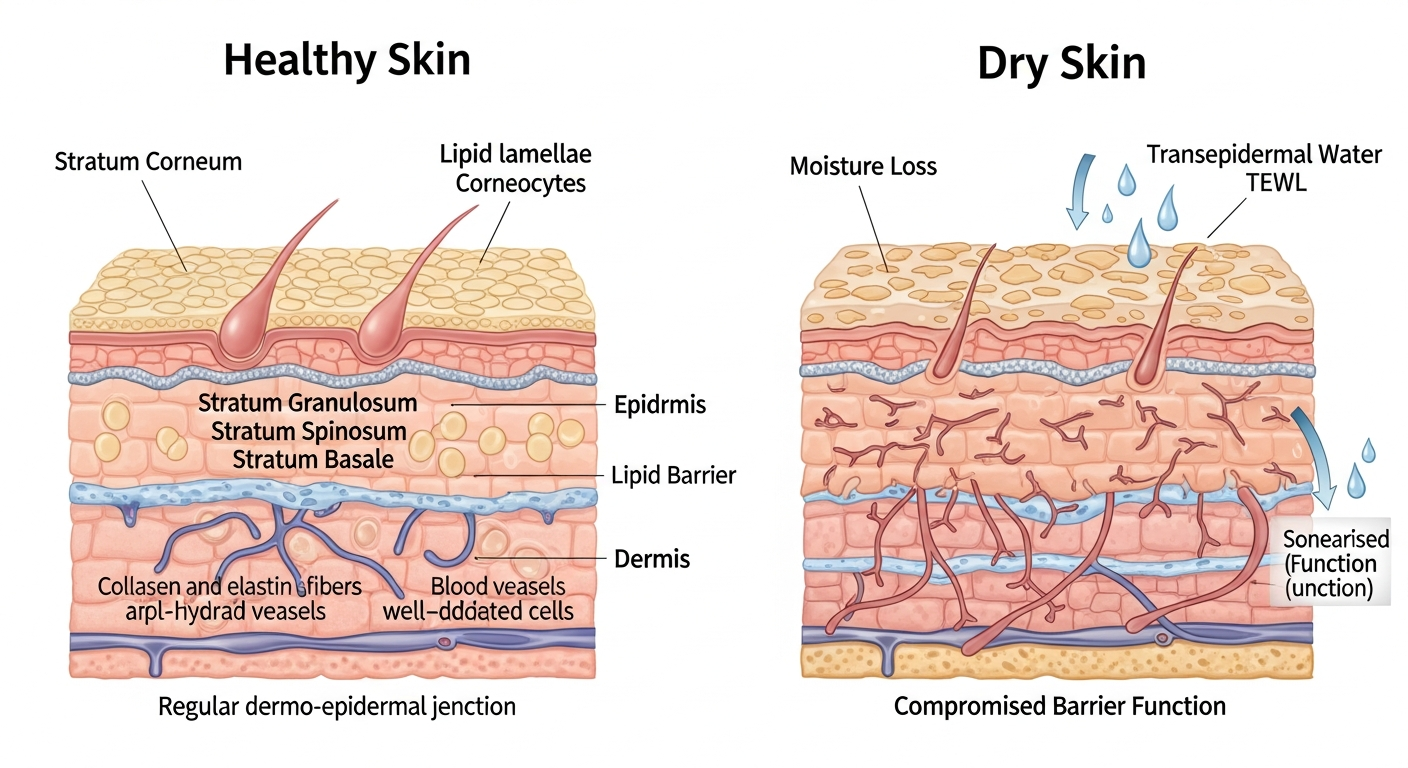
Recognizing the signs that indicate when dry skin needs professional attention is crucial. While everyone experiences occasional dryness, persistent symptoms like deep cracks, bleeding, intense itching that interferes with sleep, or skin that feels painful rather than just tight warrant a dermatologist consultation. Dry skin symptoms and when to see a doctor provides valuable guidance on distinguishing between manageable dryness and conditions requiring medical intervention.
The difference between temporarily dry skin and chronically compromised barrier function often determines which treatment approach will be most effective. Temporary dryness might respond beautifully to a simple glycerin-based lotion, while chronic barrier dysfunction may require more intensive repair with ceramides, fatty acids, and occlusive ingredients that literally seal moisture into the skin.
Understanding these common dry skin triggers empowers you to make informed choices about both prevention and treatment, setting the foundation for selecting moisturizers that address your specific underlying causes rather than just temporarily masking symptoms.
This foundational understanding of dry skin’s causes leads naturally into exploring what ingredients and formulations can effectively address these underlying issues.
The Science of Effective Moisturization: Decoding Ingredient Categories
The skincare industry loves to bombard consumers with complex ingredient lists and scientific-sounding terminology, but effective moisturization actually relies on three fundamental categories of ingredients working in harmony. Understanding these categories transforms you from a confused consumer into an educated decision-maker who can decode any product label with confidence.
Humectants are moisture magnets that draw water from the environment and from deeper layers of skin to the surface. Hyaluronic acid has become the poster child for humectants, capable of holding up to 1,000 times its weight in water. But this superstar ingredient needs companions to be truly effective – used alone, hyaluronic acid can actually pull moisture from your skin if the environment is too dry. Glycerin, a more humble but equally effective humectant, has been reliably hydrating skin for over a century. It’s gentle, stable, and works in virtually any climate. Honey represents nature’s most sophisticated humectant, offering not just moisture-drawing properties but also antimicrobial and healing benefits that synthetic alternatives can’t match.
The key insight about humectants is that they need moisture to attract – they can’t create hydration from nothing. This is why humectant-rich products work best when applied to slightly damp skin or in humid environments, and why they’re most effective when combined with other ingredient categories.
Emollients smooth and soften skin by filling in the microscopic gaps between skin cells, creating that silky, comfortable feel that signals healthy skin. Ceramides are the gold standard of emollients because they’re identical to the lipids naturally found in healthy skin. When your skin barrier is compromised, ceramide-rich products literally rebuild the mortar between skin cells. Fatty acids like those found in plant oils work similarly, integrating into the skin structure to restore flexibility and smoothness.
Natural oils deserve special attention in the emollient category. Jojoba oil technically isn’t an oil at all – it’s a wax ester that closely mimics human sebum, making it universally compatible with all skin types. Olive oil has gained scientific validation for its ability to improve skin barrier function, while beeswax provides both emollient properties and mild occlusive protection.
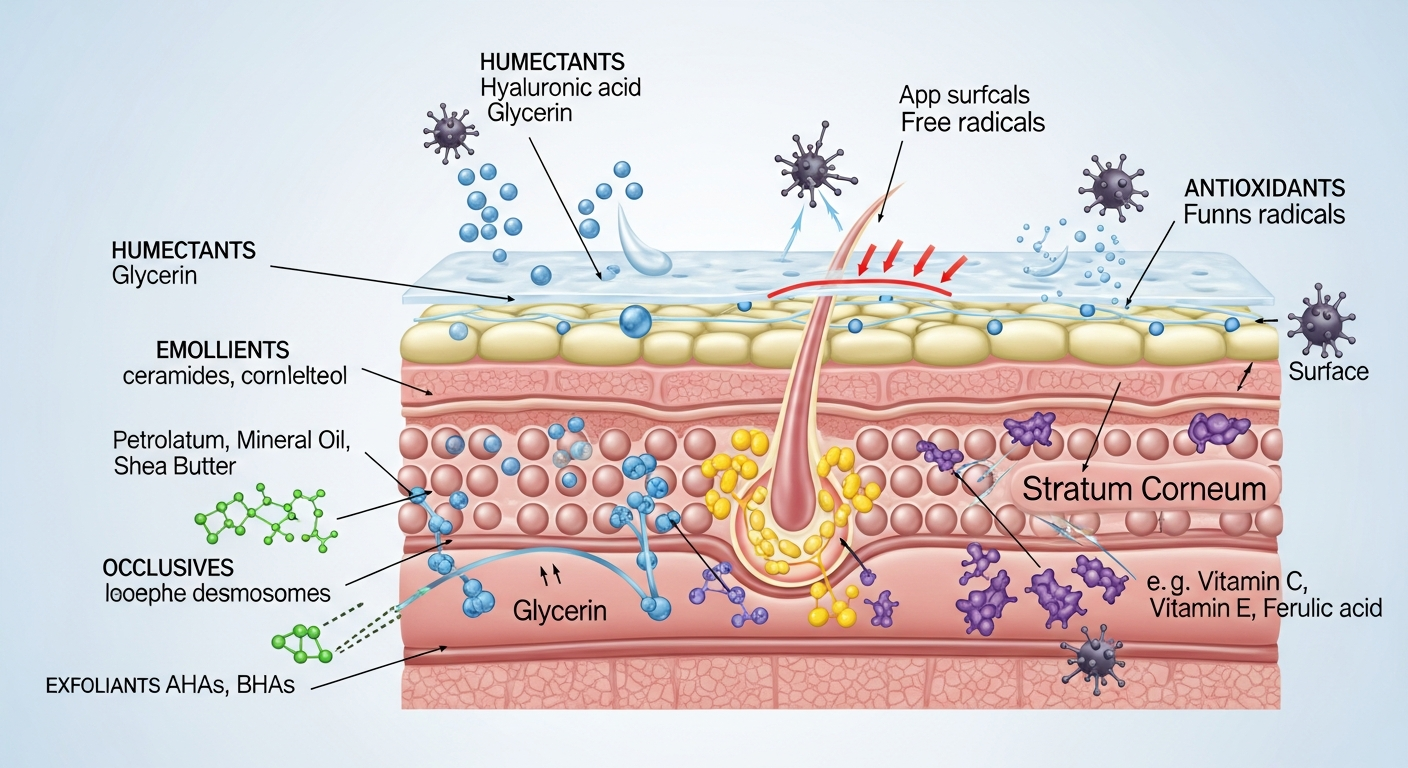
Occlusives create a protective seal over the skin surface, preventing moisture loss and protecting against environmental damage. Petrolatum remains the gold standard occlusive agent, reducing moisture loss by up to 99% – no natural or synthetic alternative has matched this performance. However, many people prefer more elegant alternatives like shea butter, which offers moderate occlusive properties along with vitamins and fatty acids, or beeswax, which creates a breathable protective layer.
The magic happens when these three categories work together. A well-formulated moisturizer combines humectants to attract moisture, emollients to smooth and repair, and occlusives to seal everything in place. This is why single-ingredient products, while useful for specific purposes, rarely provide the comprehensive care that dry skin needs.
pH balance plays a crucial but often overlooked role in moisturizer effectiveness. Healthy skin maintains a slightly acidic pH of around 5.5, which supports the skin’s natural protective acid mantle. Products that are too alkaline can disrupt this balance, making even the best ingredients less effective and potentially causing irritation. Quality moisturizers are formulated to maintain or restore optimal pH levels.
Concentration and formulation method matter more than ingredient lists. A product with a small amount of high-quality hyaluronic acid in an optimized delivery system will outperform one with a higher concentration in a poorly formulated base. This is why some simple, natural formulations with just a few carefully chosen ingredients can be more effective than complex laboratory creations with dozens of actives competing for absorption.
The importance of ingredient synergy cannot be overstated. Certain combinations enhance each other’s effectiveness – ceramides work better alongside cholesterol and fatty acids, while vitamin E protects oils from oxidation, extending their beneficial effects. This scientific understanding helps explain why products like Egyptian Magic, with their carefully balanced blend of natural ingredients, can deliver results that exceed what you might expect from their simple ingredient lists.
Understanding these principles empowers you to look beyond marketing claims and evaluate products based on their actual potential to address your skin’s needs. With this foundation in moisturizer science established, we can explore the specific breakthrough ingredients that are making 2025 a particularly exciting year for dry skin sufferers.
2025’s Most Effective Ingredients for Dry Skin: Innovation Meets Proven Results
The skincare landscape of 2025 presents a fascinating paradox: while laboratories are producing increasingly sophisticated synthetic compounds, there’s simultaneously a renaissance of interest in ancient ingredients that science is finally validating. This convergence of innovation and tradition offers unprecedented options for dry skin sufferers willing to look beyond conventional marketing.
Breakthrough synthetic ingredients are genuinely changing the game for severe dry skin conditions. Ectoin has emerged as a powerhouse environmental protector, originally discovered in extremophile bacteria living in salt lakes. This amino acid derivative doesn’t just moisturize – it actively protects skin cells from environmental stressors like pollution, UV radiation, and temperature extremes. Clinical studies show ectoin can increase skin hydration by up to 40% within hours of application while providing long-term protection against barrier damage.
Tremella mushroom extract represents perhaps the most exciting humectant discovery in decades. This gelatinous fungus produces polysaccharides that can hold up to 500 times their weight in water – not quite matching hyaluronic acid’s 1,000x capacity, but with superior skin penetration and longer-lasting effects. Unlike hyaluronic acid, which can sometimes feel tacky or pill under makeup, tremella extract creates a silky, almost weightless moisture veil that works beautifully under other products.
Bio-retinoids like bakuchiol offer retinol-like benefits for skin renewal without the irritation and sensitivity that traditional retinoids can cause in dry skin. Derived from the babchi plant, bakuchiol stimulates collagen production and improves skin texture while actually enhancing moisture retention – a combination that traditional retinoids struggle to achieve.
The resurgence of proven natural ingredients reflects both consumer demand for clean beauty and scientific validation of traditional skincare wisdom. Honey has moved from health food stores to luxury skincare counters as research confirms its unique combination of humectant, antimicrobial, and healing properties. Medical-grade honey varieties like Manuka and Sidr honey show remarkable ability to repair compromised skin barriers while preventing secondary infections that can complicate dry skin conditions.
Propolis and royal jelly are experiencing their own renaissance as science uncovers their sophisticated bioactive profiles. Propolis, the resinous substance bees use to seal their hives, contains over 300 compounds including flavonoids, phenolic acids, and essential oils that work synergistically to heal and protect skin. Royal jelly provides amino acids, vitamins, and unique proteins that support cellular regeneration and moisture retention.
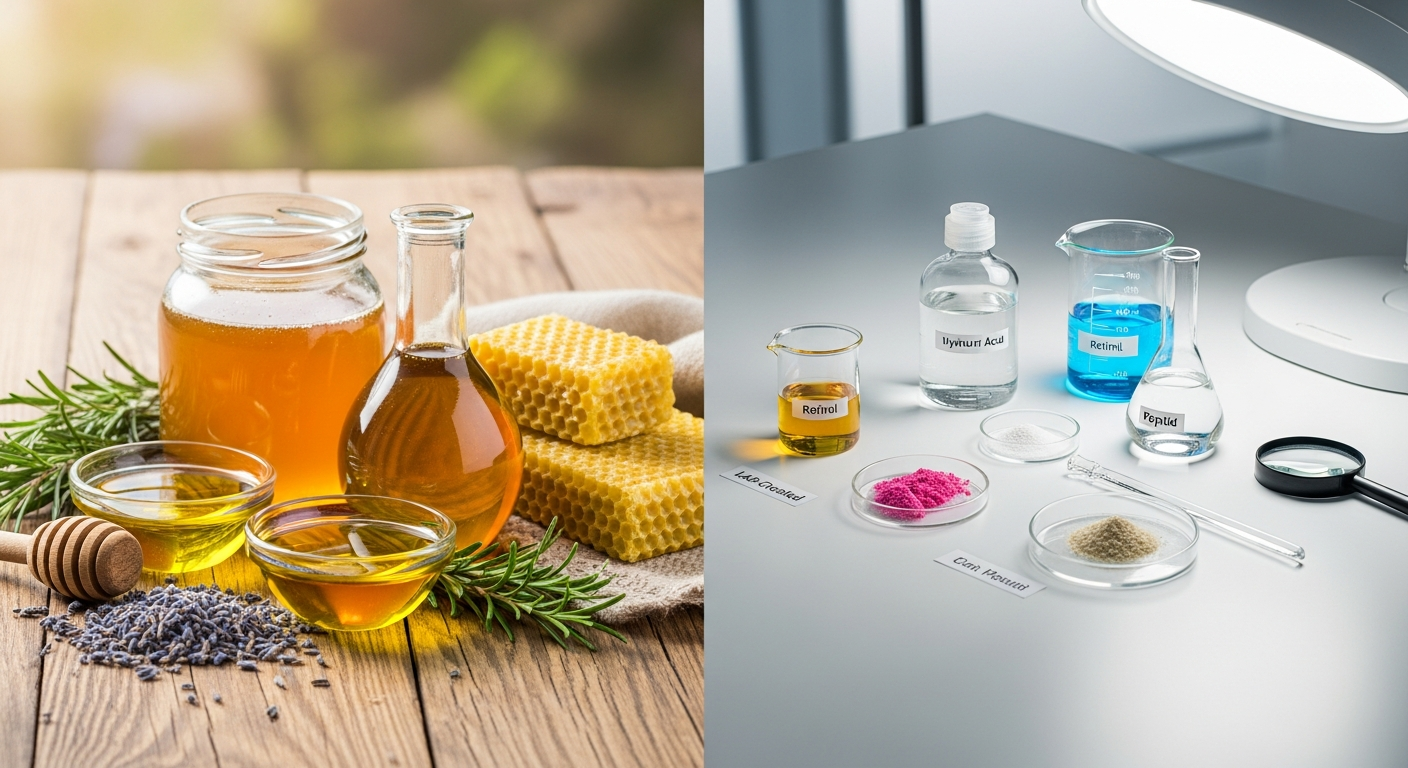
Advanced ceramide technology has evolved beyond simply including ceramides in formulations. New liposomal delivery systems ensure these crucial lipids penetrate to the right depth in the skin barrier, while biomimetic ceramides are engineered to integrate more effectively with natural skin lipids. Some formulations now include ceramide precursors that stimulate the skin’s own ceramide production, creating longer-lasting barrier repair.
The combination of niacinamide and peptides has proven particularly effective for dry skin that’s also showing signs of aging. Niacinamide (vitamin B3) strengthens the skin barrier while regulating oil production and reducing inflammation. When combined with signal peptides that stimulate collagen production and carrier peptides that deliver other ingredients more effectively, the result is comprehensive skin improvement that addresses both immediate comfort and long-term health.
Interestingly, the “skinimalist” movement is driving formulation innovation toward simpler products with fewer but more potent ingredients. This trend acknowledges that skin barrier dysfunction often improves more with gentle, consistent care than with aggressive multi-step routines. Products with 5-10 carefully chosen ingredients are often more effective than those with 20-30 components that might compete or cancel each other out.
Traditional oils are gaining scientific credibility as research validates their barrier-repairing properties. Olive oil has been shown to improve skin barrier function and reduce inflammation, while coconut oil provides both antimicrobial benefits and medium-chain fatty acids that integrate beautifully with skin lipids. The key insight from 2025’s top viral skincare ingredients according to dermatologists is that effectiveness often trumps novelty when it comes to lasting skin improvement.
The trending ingredients beauty brands should know in 2025 reveals that consumers are increasingly seeking products that combine innovation with transparency – they want cutting-edge effectiveness but delivered through formulations they can understand and trust.
This balance between innovation and tradition reflects a maturing understanding that the best skincare solutions often combine the latest scientific insights with time-tested natural ingredients that have proven their worth across generations.
Understanding these ingredients helps, but knowing which formulation type delivers them most effectively to your specific skin needs is equally crucial.
Types of Moisturizers and When to Use Each: Finding Your Perfect Match
The moisturizer aisle can feel overwhelming, with countless textures, formulations, and claims competing for your attention. However, understanding the fundamental differences between moisturizer types – and more importantly, when each type performs best – transforms this confusing landscape into a strategic toolkit for addressing your specific dry skin needs.
Balms and ointments represent the heavy artillery in the fight against severe dryness. These formulations typically contain 80-90% occlusive ingredients like petrolatum, beeswax, or dense plant butters that create an almost impermeable barrier against moisture loss. While they might feel too rich for everyday use, balms excel in specific situations that require maximum protection and repair.
Winter weather creates the perfect storm for moisture loss – cold air holds less humidity while indoor heating systems create desert-like conditions. This is when balms become essential, particularly for exposed areas like hands and face that bear the brunt of environmental assault. The key to using balms effectively is applying them to slightly damp skin, which traps additional moisture beneath the protective barrier.
Nighttime application allows balms to work their magic without concerns about aesthetics or makeup compatibility. While you sleep, these intensive formulations can repair daily damage and restore the skin barrier. Many people find that using a rich balm at night allows them to use lighter formulations during the day, creating a complementary routine that addresses both protection and comfort.
Creams versus lotions represent different approaches to balancing moisture delivery with user experience. Creams typically contain 50-70% water with the remainder being oils and emulsifiers, creating a rich texture that provides substantial hydration while still absorbing reasonably well. Lotions flip this ratio, with 70-80% water content that creates a lighter feel but potentially less lasting hydration.
The choice between cream and lotion often comes down to lifestyle factors and personal preference. Creams work beautifully for nighttime use, weekend pampering, or when you have time to let them fully absorb. Lotions suit busy mornings, hot climates, or situations where you need to dress quickly after application.
However, texture preference shouldn’t override effectiveness considerations. Someone with severely dry skin might need to prioritize a cream’s superior moisturizing power over a lotion’s aesthetic appeal, while someone with mildly dry skin might find a high-quality lotion perfectly adequate.
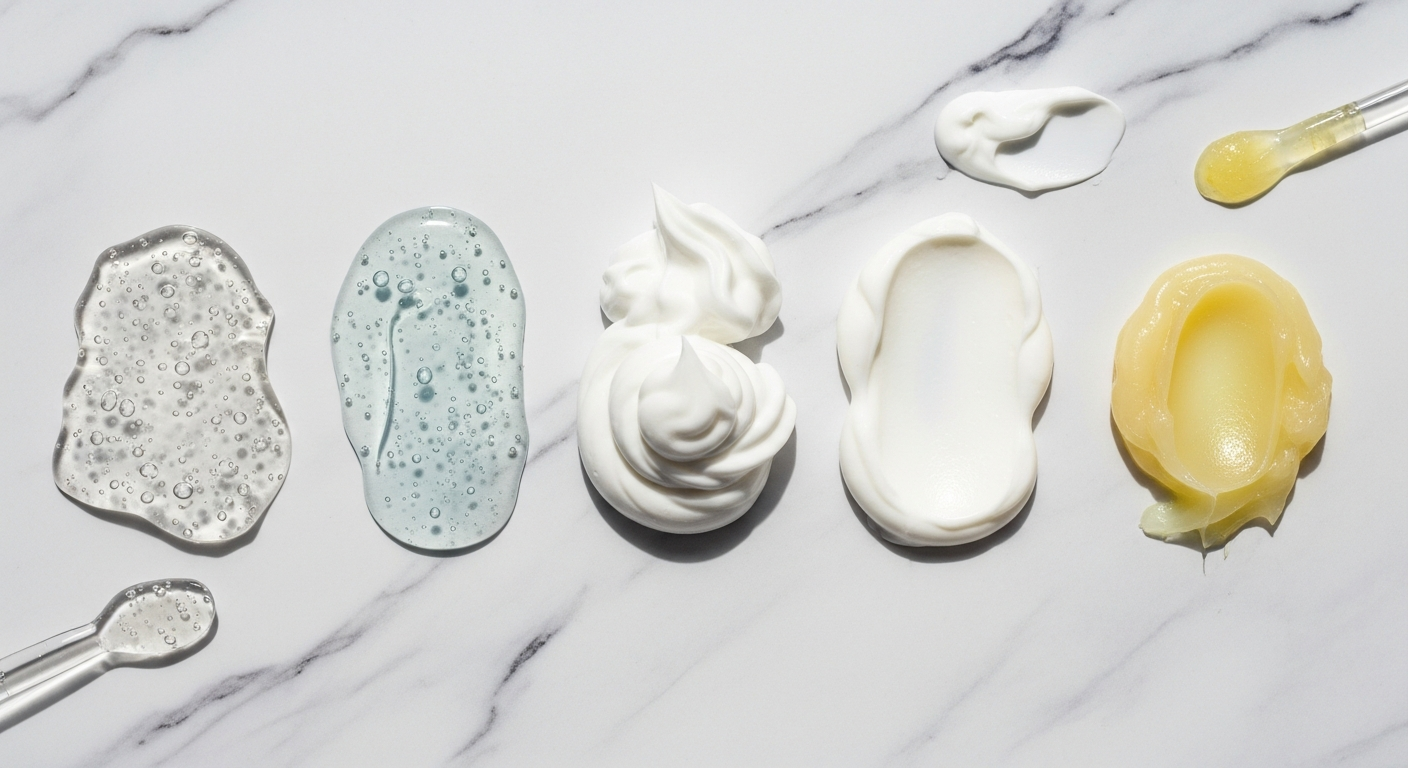
Oils and serums serve specific roles in addressing dry skin, often working best as part of a layered approach rather than standalone solutions. Pure facial oils like jojoba, argan, or rosehip oil provide concentrated emollient benefits and can be particularly effective for dry skin that’s also sensitive to fragrances or preservatives found in more complex formulations.
The key to using oils effectively lies in understanding their limitations and strengths. Oils excel at providing emollient benefits and some occlusive protection, but they lack the humectant properties that draw moisture to the skin. This makes them ideal for sealing in moisture from other products rather than serving as primary hydrators.
Serums with moisturizing properties offer concentrated doses of specific ingredients like hyaluronic acid, ceramides, or peptides in lightweight formulations. These work exceptionally well under heavier moisturizers, allowing you to customize your routine based on daily needs while ensuring you’re getting therapeutic levels of key ingredients.
Multi-purpose formulations have gained popularity as busy lifestyles demand efficiency without compromise. Products that function as face cream, body moisturizer, and even hair treatment offer appealing simplicity, but their effectiveness depends on thoughtful formulation rather than marketing convenience.
The most successful multi-purpose products, like Egyptian Magic’s all-natural balm, succeed because they’re built around ingredients that benefit all skin types and areas. The Egyptian Magic’s versatile uses for different skin needs demonstrates how a well-formulated product can address everything from facial dryness to eczema patches to minor cuts and scrapes, all while maintaining the purity and effectiveness that dry skin requires.
Seasonal adaptation becomes crucial for maintaining optimal skin health year-round. What works perfectly in humid summer months might leave you struggling during dry winter weather. Building a flexible routine that adapts to changing conditions ensures consistent comfort regardless of environmental challenges.
Many skincare experts recommend the “wardrobe approach” to moisturizers – maintaining a selection of formulations for different circumstances rather than trying to find one product that handles every situation. This might mean a lightweight lotion for summer mornings, a rich cream for winter evenings, and a protective balm for extreme weather exposure.
Day versus night considerations reflect both practical and physiological differences in skin needs. Daytime moisturizers often need to absorb quickly, play well with makeup, and provide environmental protection. Night formulations can be richer and more focused on repair since absorption time and aesthetics are less critical.
The skin’s natural repair processes accelerate during sleep, making nighttime the ideal opportunity for intensive treatments. This is when heavier formulations, active ingredients, and barrier-rebuilding components can work most effectively without interference from environmental stressors or daily activities.
Understanding these formulation differences empowers you to build a personalized routine that addresses your specific needs, lifestyle, and preferences. While understanding formulation types is helpful, the growing trend toward natural, clean beauty solutions deserves special attention for their unique benefits and considerations.
Natural vs. Synthetic: The Rise of Clean Beauty Solutions for Dry Skin
The debate between natural and synthetic ingredients in skincare often generates more heat than light, with passionate advocates on both sides making claims that range from scientifically sound to utterly fantastical. For dry skin sufferers, however, this debate takes on practical significance as they seek formulations that provide genuine relief without unwanted side effects.
The clean beauty movement’s momentum reflects legitimate consumer concerns about ingredient transparency, environmental impact, and product safety. However, it’s crucial to understand that “natural” doesn’t automatically mean “better” or “safer,” just as “synthetic” doesn’t necessarily indicate “harmful” or “inferior.” The most effective approach evaluates each ingredient based on its proven benefits, safety profile, and suitability for individual skin needs.
Scientific validation of traditional ingredients has been one of the most exciting developments in modern dermatology. Ingredients that were dismissed as “folk remedies” are now revealing sophisticated mechanisms of action that rival or exceed synthetic alternatives. Honey, for instance, isn’t just a simple sugar solution – it’s a complex matrix of enzymes, amino acids, vitamins, and bioactive compounds that provide humectant, antimicrobial, and healing properties that no single synthetic ingredient can match.
Research has validated honey’s ability to improve wound healing, reduce inflammation, and provide sustained moisturization. Medical-grade honey is now used in clinical settings to treat severe dry skin conditions and even diabetic ulcers. The key insight is that honey’s effectiveness comes from the synergistic interaction of its multiple components – something that’s extremely difficult to replicate synthetically.
Propolis offers another compelling example of natural sophistication. This bee-produced substance contains over 300 identified compounds, including flavonoids, phenolic acids, and essential oils that work together to provide antimicrobial, anti-inflammatory, and barrier-strengthening benefits. Attempts to create synthetic propolis alternatives have consistently failed to match the effectiveness of the natural substance, suggesting that the complex interactions between components are crucial to its function.
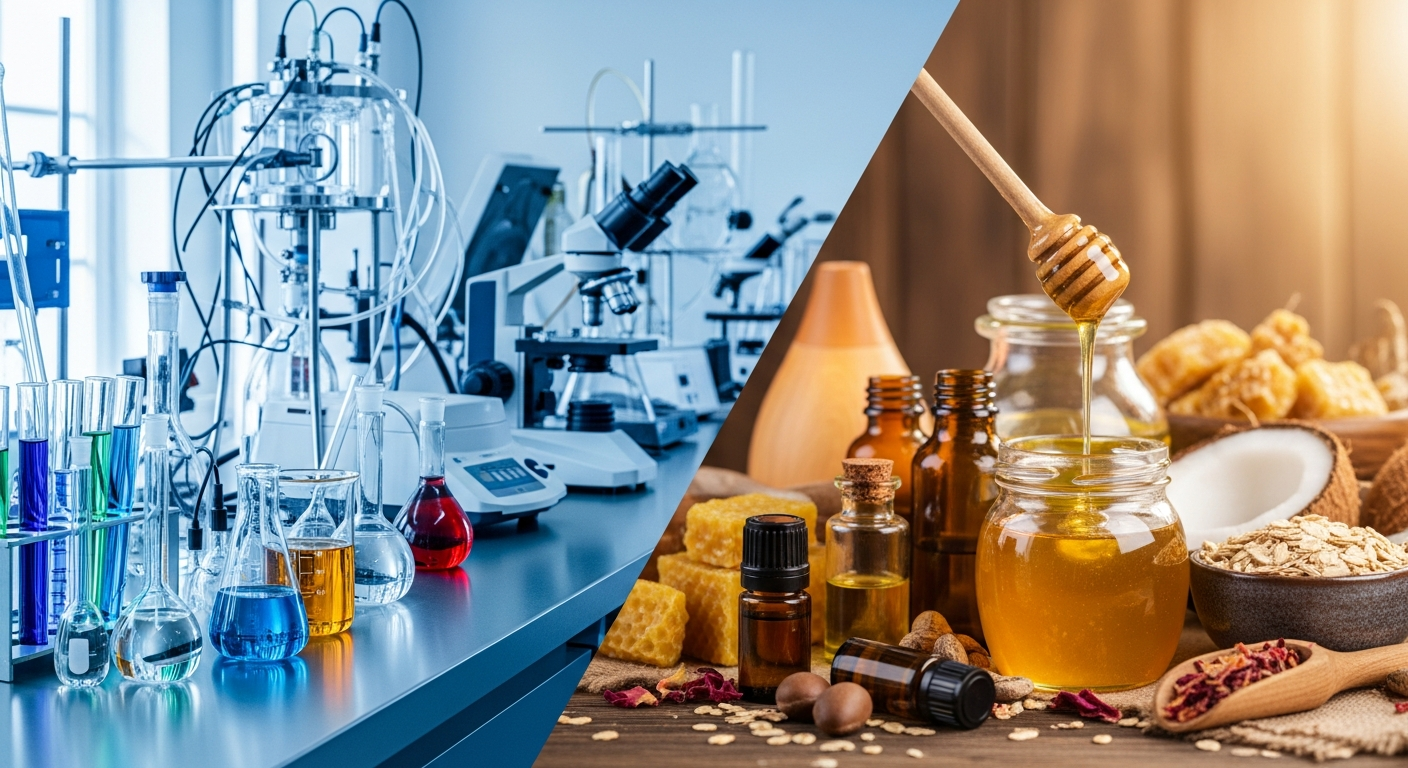
When natural solutions excel, they often do so because of characteristics that are difficult or impossible to replicate synthetically. Multi-functionality represents one key advantage – natural ingredients frequently provide multiple benefits simultaneously. Beeswax, for example, serves as an emollient, mild antimicrobial, and protective occlusive while also providing vitamins and beneficial compounds that pure synthetic waxes cannot offer.
Biocompatibility represents another area where natural ingredients often shine. Oils like jojoba and ingredients like lanolin are structurally similar to human sebum and skin lipids, making them highly compatible with natural skin processes. This compatibility often translates to better absorption, fewer reactions, and more sustainable long-term benefits.
Egyptian Magic serves as a compelling case study in natural formulation effectiveness. With just five ingredients – olive oil, beeswax, honey, bee pollen, propolis, and royal jelly – this formulation addresses virtually every aspect of dry skin care. The Egyptian Magic’s natural ingredient philosophy demonstrates how thoughtful selection and combination of natural ingredients can create a product that outperforms much more complex synthetic alternatives.
The effectiveness of such simple formulations often surprises people accustomed to believing that more ingredients equal better results. However, skin barrier dysfunction frequently improves more readily with gentle, consistent care from compatible ingredients than with aggressive treatment using multiple actives that might irritate or overwhelm compromised skin.
Sustainability considerations increasingly influence consumer choices as awareness grows about the environmental impact of both ingredient sourcing and manufacturing processes. Natural ingredients, when sustainably sourced, often have lower environmental footprints than synthetic alternatives that require energy-intensive manufacturing processes.
However, sustainability isn’t automatically guaranteed with natural ingredients. Some botanical ingredients require extensive land use or water resources, while others might be harvested in ways that damage ecosystems. The key is choosing brands that prioritize both effectiveness and responsible sourcing practices.
Avoiding “natural” marketing traps requires understanding the difference between genuinely effective natural products and those that simply capitalize on clean beauty trends. Effective natural skincare products succeed because their ingredients have proven benefits, not just because they’re derived from natural sources.
Red flags include products that make exaggerated claims about being “chemical-free” (everything is made of chemicals), “toxin-free” (without specifying what toxins), or “100% natural” (while containing synthetic preservatives that aren’t disclosed). Quality natural products are transparent about their ingredients and realistic about their capabilities.
The future of skincare trends focusing on barrier repair suggests that the most successful products of 2025 and beyond will be those that prioritize skin barrier health over flashy marketing claims, whether they achieve this through natural or synthetic means.
The most honest perspective recognizes that both natural and synthetic ingredients have their place in effective skincare. The goal should be finding formulations that work reliably for your specific needs, whether those formulations happen to be natural, synthetic, or a thoughtful combination of both.
Whether you choose natural or synthetic ingredients, the key to success lies in understanding how to properly select and apply your moisturizer for maximum effectiveness.
How to Choose and Apply Your Perfect Moisturizer: Personalization and Best Practices
Selecting the ideal moisturizer requires more than browsing product reviews or following influencer recommendations – it demands honest assessment of your unique skin characteristics, lifestyle factors, and personal preferences. The most expensive cream in the world won’t help if it doesn’t match your specific needs or if you don’t use it consistently and correctly.
Comprehensive skin assessment starts with understanding your particular type of dryness. Seasonal dry skin responds differently than chronic barrier dysfunction. Age-related dryness requires different approaches than medication-induced dryness. Take time to identify patterns: Does your skin feel tight only in winter, or year-round? Do certain products cause stinging or burning? Does your skin improve quickly with proper care, or does it take weeks to show improvement?
Environmental factors significantly influence moisturizer choice and effectiveness. Cold, dry climates demand richer formulations with stronger occlusive properties, while hot, humid environments might call for lighter textures that won’t feel oppressive. Indoor heating and air conditioning create artificially dry conditions that might require different products than your natural climate would suggest.
Hormonal influences affect skin hydration levels throughout life. Estrogen helps maintain skin moisture, so periods of hormonal change – puberty, menstruation, pregnancy, menopause – often coincide with changing moisturizer needs. Medications like retinoids, blood pressure medications, and antihistamines can increase dryness, requiring more intensive moisturization than usual.
Age-related considerations extend beyond simple “anti-aging” concerns. As skin matures, it produces less oil and retains moisture less effectively. What felt adequately moisturizing at 25 might feel insufficient at 45, not due to vanity but because of genuine physiological changes that require adapted care.
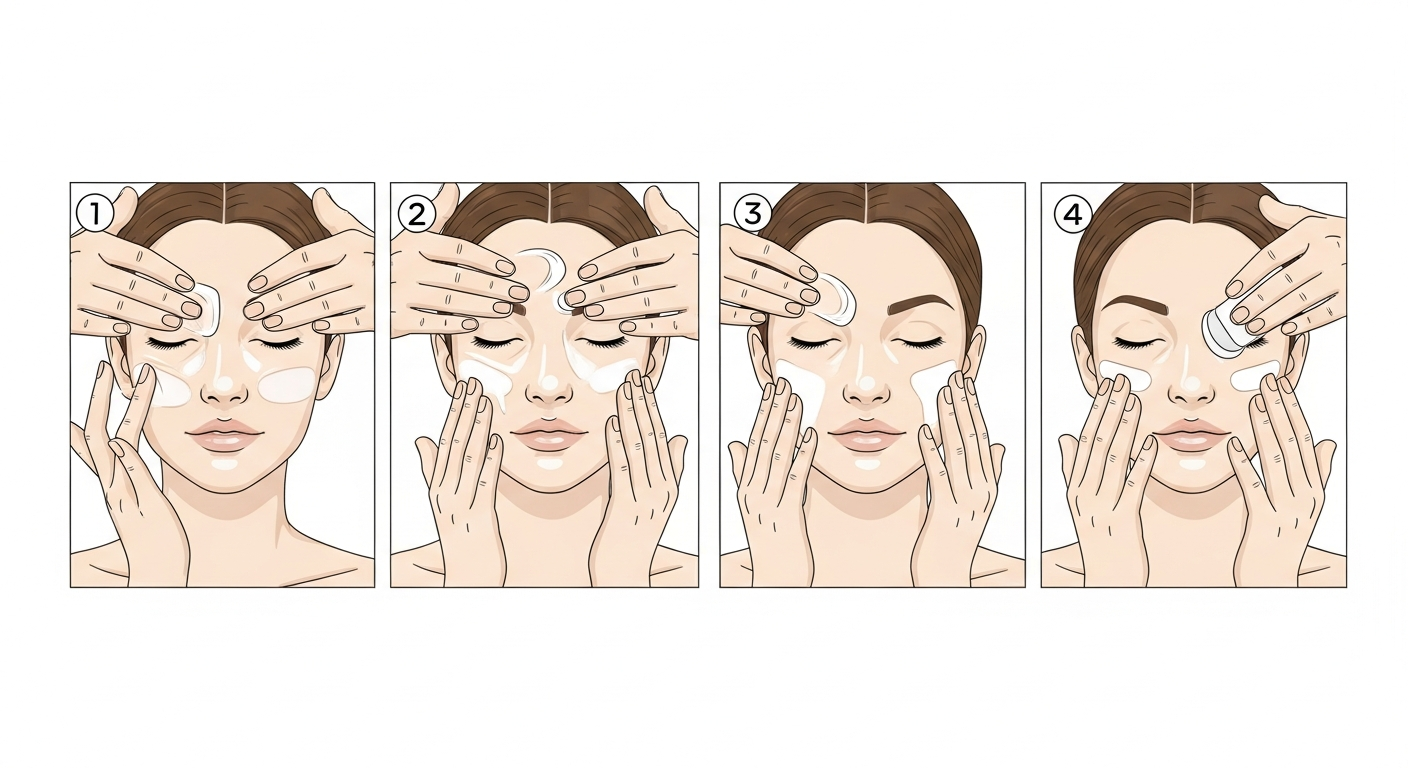
Advanced application techniques can dramatically improve any moisturizer’s effectiveness. The “retinol sandwich” method has gained popularity for good reason – applying a thin layer of moisturizer, followed by active treatments like retinol, then sealing with another moisturizer layer provides maximum hydration while minimizing irritation. This retinol sandwich method for winter hydration technique works equally well for other potentially drying treatments.
Layering strategies allow customization based on daily conditions and needs. Start with the thinnest consistency and build up: serum, then cream or lotion, finishing with oil or balm if needed. This approach ensures each layer can penetrate effectively while building comprehensive protection.
Timing and frequency significantly impact results. Immediate post-shower application to damp skin can increase moisture retention by up to 300% compared to application to completely dry skin. The key is applying while skin still contains some moisture but isn’t dripping wet – this traps water beneath the moisturizer for enhanced hydration.
Frequency requirements vary based on severity and environmental conditions. Mild dryness might respond well to once-daily application, while severe conditions might require multiple applications throughout the day. Listen to your skin rather than following arbitrary schedules.
Patch testing protocols prevent the frustration and potential damage of adverse reactions to new products. Apply a small amount to the inside of your wrist or behind your ear for 24-48 hours before using on your face or larger body areas. This simple step can save weeks of recovery from reactions.
Gradual introduction works especially well for sensitive or reactive skin. Start with every other day application, gradually increasing frequency as your skin adjusts. This approach helps distinguish between initial adjustment periods and genuine incompatibility.
Recognizing effective results requires realistic expectations and patience. Immediate improvement in skin comfort and texture is normal and encouraging. However, significant barrier repair and long-term hydration improvement typically require 2-4 weeks of consistent use. Look for gradually increasing time between applications, improved makeup application, and reduced sensitivity to environmental factors.
Warning signs that indicate a need to switch products include persistent stinging or burning, increased redness or irritation, development of breakouts in areas where they don’t usually occur, or skin that feels worse after several weeks of consistent use.
Multi-purpose solutions appeal to busy lifestyles and can be particularly effective for dry skin that also tends toward sensitivity. Products like Egyptian Magic that can address facial dryness, body moisture needs, and even minor skin irritations simplify routines while ensuring consistency.
The key insight from Mayo Clinic moisturizer application tips is that technique often matters as much as product choice. Even an excellent moisturizer won’t deliver optimal results if it’s applied incorrectly or inconsistently.
Building sustainable routines requires honest assessment of your lifestyle and preferences. A ten-step routine might work beautifully on weekends but fail during busy weekdays. Choose products and techniques that you’ll actually use consistently rather than perfect routines that you’ll abandon after a few weeks.
The most successful approach often involves identifying one or two high-quality products that address your primary needs, then building additional steps gradually as time and interest permit. Consistency with a simple routine typically delivers better results than sporadic use of complex protocols.
Armed with this knowledge about ingredients, formulations, and application techniques, you’re ready to make an informed decision about which moisturizer will truly transform your dry skin concerns.
Conclusion
The journey to finding your perfect moisturizer for dry skin in 2025 isn’t about chasing the latest trends or most expensive formulations – it’s about understanding the fundamental science of skin hydration and matching that knowledge to your unique needs and circumstances. Throughout this comprehensive exploration, we’ve uncovered that effective moisturization relies on timeless principles: combining humectants that attract moisture, emollients that smooth and repair, and occlusives that seal everything in place.
The most striking revelation is how often the most effective solutions combine cutting-edge innovation with time-tested wisdom. While laboratories continue to develop sophisticated ingredients like ectoin and tremella mushroom extract, ancient formulations featuring honey, propolis, and natural oils are receiving scientific validation that confirms what traditional practitioners have known for millennia. This convergence suggests that the future of skincare lies not in choosing between natural and synthetic, but in thoughtfully combining the best of both approaches.
Your skin’s needs are as individual as your fingerprint, influenced by genetics, environment, age, health status, and lifestyle factors that create a unique profile requiring personalized solutions. The moisturizer that transforms your friend’s complexion might leave you unchanged, not because either product is superior or inferior, but because effective skincare requires matching formulation to individual need.
The key insight that emerges from our deep dive into moisturizer science is that consistency trumps complexity every time. A simple, well-formulated product used correctly and regularly will deliver superior results to the most sophisticated formulation applied sporadically or incorrectly. This principle explains why products like Egyptian Magic, with their straightforward blend of natural ingredients, often outperform elaborate laboratory creations with dozens of actives.
Environmental consciousness increasingly influences skincare choices, and this trend toward sustainability often aligns beautifully with effective dry skin care. Natural ingredients that are sustainably sourced frequently offer the gentle, biocompatible care that compromised skin barriers need most. The growing understanding that skin health and environmental health are interconnected reflects a maturing perspective that considers long-term consequences alongside immediate results.
The application techniques and timing strategies we’ve explored can transform any good moisturizer into a great one for your specific needs. Whether you choose the retinol sandwich method for enhanced protection, embrace layering for customizable hydration, or simply commit to applying product to damp skin, these professional techniques ensure you’re getting maximum value from your investment.
Perhaps most importantly, this guide has equipped you with the knowledge to become an informed consumer who can see through marketing hype and evaluate products based on their actual potential to address your skin’s needs. Understanding the difference between humectants, emollients, and occlusives allows you to decode any ingredient list and predict how a product might perform for your specific type of dryness.
The skincare industry will continue evolving, with new ingredients and technologies constantly emerging. However, the fundamental principles of skin barrier function and effective moisturization remain constant. Armed with this knowledge, you’ll be able to evaluate future innovations with confidence, distinguishing between genuine breakthroughs and clever marketing designed to sell products rather than solve problems.
Remember that achieving healthy, comfortable skin is an investment in your overall wellbeing and confidence. The difference between struggling with chronic dryness and enjoying consistently hydrated, comfortable skin affects not just your appearance but your daily comfort, sleep quality, and general sense of wellness. Finding the right moisturizer truly can be transformative for your quality of life.
Ready to Transform Your Dry Skin?
The path to healthier, more comfortable skin starts with choosing products that align with both scientific understanding and your personal values. Egyptian Magic’s legendary all-purpose skin cream represents the perfect marriage of ancient wisdom and modern validation. Since 1991, this remarkable five-ingredient formulation has earned the trust of celebrities, makeup artists, and skincare enthusiasts worldwide who refuse to compromise between effectiveness and purity.
Created from olive oil, beeswax, honey, propolis, and royal jelly, Egyptian Magic delivers the hydration, repair, and protection your skin craves – all in one iconic jar that eliminates the guesswork from your skincare routine. This isn’t just another moisturizer; it’s a comprehensive skin solution that addresses everything from facial dryness to body moisture needs, minor irritations to barrier repair.
Discover Egyptian Magic today and join thousands who’ve found their holy grail moisturizer. Available at over 10,000 locations worldwide, or order directly from our official EU store with fast shipping across Europe. Your skin has been waiting for this moment – give it the pure, powerful care it deserves.